
Leaving isn't That Simple

Rowan Swan-Scott
May 1st, 2026

Understanding the Psychology of Trauma in relations to Human Trafficking
Human trafficking is often misunderstood as a situation that survivors can simply walk away from, but the psychological reality is far more complex. Survivors frequently experience trauma bonding, a conditioned emotional attachment formed through cycles of abuse and sporadic reinforcement, which can make leaving feel unsafe or impossible. Their sense of identity is also shaped by language and labeling, where terms like “victim” or “survivor” influence self-perception and recovery.
For many, creative expression through art, writing, or storytelling becomes a powerful tool for processing trauma, rebuilding autonomy, and reclaiming identity. Understanding these dynamics helps shift the conversation from blame to empathy and highlights that leaving is not a single decision, but a process of psychological, emotional, and physical recovery.
Trauma Bonding: Why Leaving can Feel Impossible
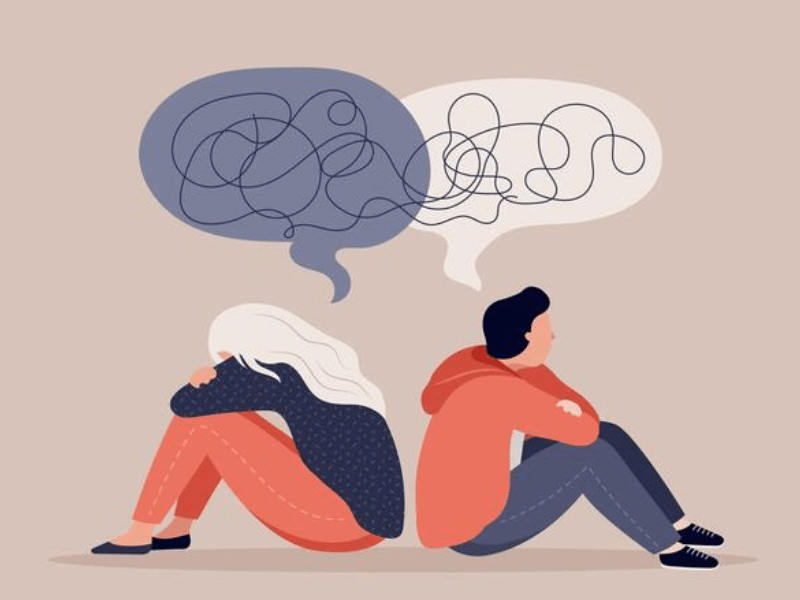
One of the most misunderstood dynamics in human trafficking is trauma bonding. Trauma bonding occurs when survivors develop strong emotional attachments to their traffickers through cycles of abuse followed by occasional acts of kindness or moments of relief. These unpredictable patterns reinforce emotional dependency, conditioning the brain to associate the trafficker with both fear and perceived safety.
When coercive control, isolation, and reliance on the trafficker for essential needs are combined, it fosters a survival-based attachment that can make the prospect of leaving seem dangerous. From a psychological perspective, this response reflects adaptation under chronic threat rather than choice. As noted in trauma research on coercive relationships (Dutton & Painter, 1993), these bonds are reinforced through cycles of power and control that distort decision-making and attachment. This is why the question “Why didn’t they just leave?” fails to reflect the lived reality of trafficking survivors.
Long-Term Psychological Impact
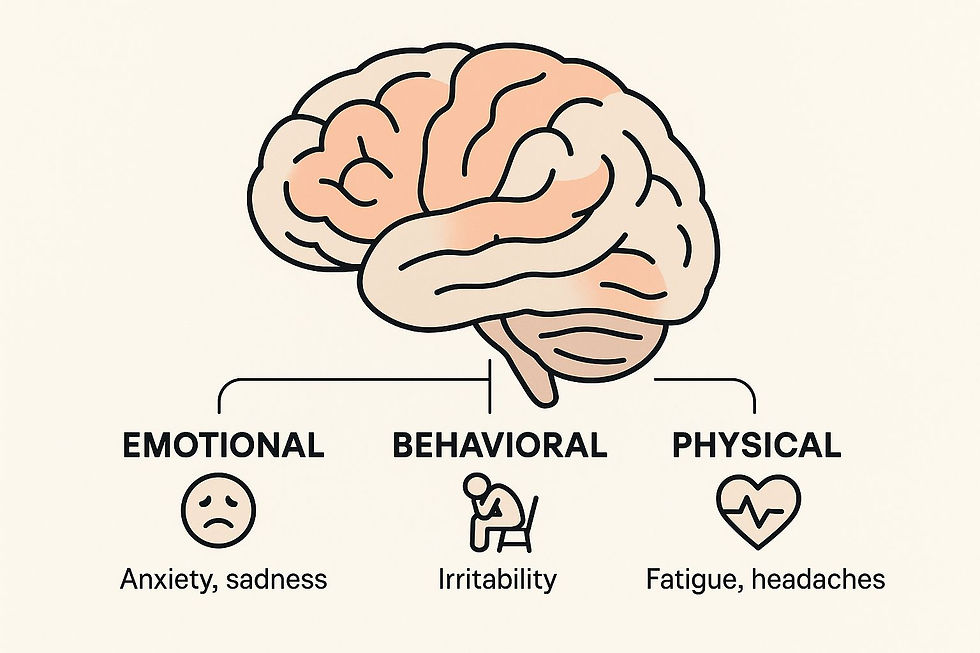
The effects of trauma bonding and coercive control often extend well beyond the trafficking situation itself. Survivors may experience anxiety, depression, and post-traumatic stress symptoms, along with ongoing difficulties in trust, emotional regulation, and relationship building. These responses are consistent with trauma-related adaptations described in clinical frameworks for complex trauma (Judith Herman, 1992).
Even after escape, survivors often struggle with feelings of shame or confusion, as their nervous systems and attachment patterns were shaped under prolonged threat. Trauma-informed care emphasizes that recovery requires stability, patience, and supportive environments that help individuals rebuild a sense of control and safety (Substance Abuse and Mental Health Services Administration, 2014).

The Power of Language in Shaping Identity
Language is universal; no matter where you're from, you use language every day. The way we use language and communicate varies. Whether you're talking to your mom, your best friend, or your teacher, the way we communicate and use language changes. How we discuss survivors directly affects how they perceive themselves. Labels like “victim” can inadvertently reinforce feelings of helplessness or passivity, while “survivor” highlights resilience, independence, and most importantly, strength.
Language influences recovery by shaping identity reconstruction after trauma. Even subtle changes in wording within therapy, advocacy, or media can affect whether individuals feel defined by their experiences or by their ability to heal and grow. Using trauma-informed language helps reduce stigma and supports empowerment throughout recovery.

Creative Expression as a Path to Healing
For many survivors, creative expression provides a non-verbal pathway to process trauma. Art, writing, movement, and other forms of expression allow individuals to externalize experiences that may be too complex or distressing to articulate directly. Research in expressive writing and trauma recovery suggests that structured creative outlets can support emotional regulation and meaning-making (Pennebaker & Chung, 2011).
These practices help individuals reconnect with identity, rebuild control, and integrate traumatic experiences in a way that supports healing. When paired with trauma-informed support, creative expression becomes not just therapeutic, but restorative and helps survivors reclaim their voice, autonomy, and self-definition.

Moving Toward Trauma-Informed Understanding
By exploring trauma bonding, the impact of language, and the role of creative recovery, it becomes clear that leaving a human trafficking situation is rarely simple. Survivors navigate a complex web of psychological, emotional, and social factors that influence decision-making and safety. Recognizing these dynamics, shifts the conversation from blame to empathy and underscores the need for trauma-informed, survivor-centered approaches that prioritize healing, autonomy, and empowerment.
Leaving a trafficking situation is rarely simple. Understanding why, requires looking at the psychology behind survival. Trauma bonding creates strong, conditioned attachments between survivors and traffickers, making the thought of escaping feel dangerous or impossible. The language used to describe survivors shapes their sense of identity, influencing self-perception, empowerment, and recovery.
Finally, creative expression through art, writing, or other outlets offers a vital way to process trauma, reclaim autonomy, and rebuild a sense of self. By exploring these dynamics, we can move beyond victim-blaming and toward trauma-informed, survivor-centered approaches that prioritize healing, safety, and empowerment.

A Real-World Perspective from Project Mona’s House
At Mona’s House, these psychological dynamics are not abstract concepts, they are lived realities we witness in the women we serve through our Overcomer Academy program. Many survivors arrive carrying the long-term effects of coercive control, including trauma bonding, disrupted identity, and difficulty trusting safe relationships. Healing often begins with small but significant steps toward stability, consistency, and safety.
We also see how deeply identity has been shaped by experience and language. Part of the recovery process involves helping survivors separate who they are from what they have endured, and gently rebuilding a sense of self rooted in dignity, strength, and possibility. This process takes time and cannot be rushed.
Through structured support, community, and trauma-informed care, we create a space for survivors to reconnect with themselves and others in healthy ways. We give them access to resources and opportunities to create a new, better life for themselves. Healing is not linear, but with consistent support, we see resilience emerge in powerful ways, often through moments of self-expression, restored trust, and renewed hope for the future.
References
Dutton, D. G., & Painter, S. (1993). Emotional attachments in abusive relationships: A test of traumatic bonding theory. Violence and Victims, 8(2), 105–120.
Judith Herman (1992). Trauma and Recovery. Basic Books.
Substance Abuse and Mental Health Services Administration. (2014). SAMHSA’s Concept of Trauma and Guidance for a Trauma-Informed Approach.
Pennebaker, J. W., & Chung, C. K. (2011). Expressive writing and its links to mental and physical health. In Oxford Handbook of Health Psychology.
Comments